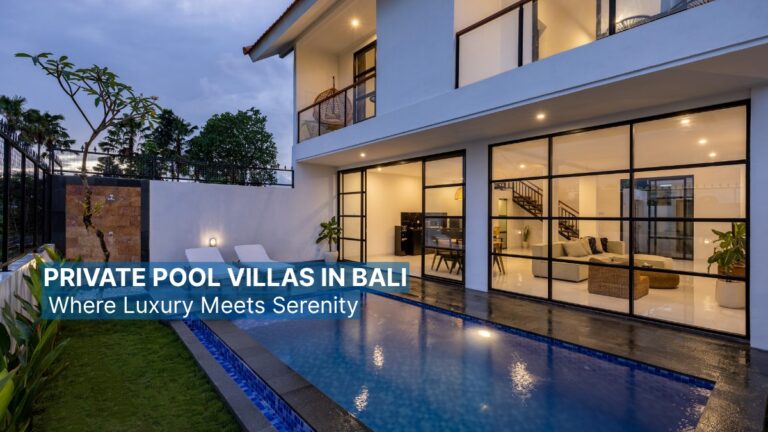
Bali property investment has experienced a remarkable transformation in 2025, with villa prices skyrocketing from $321,000 to $484,000 within a year. This remarkable $163,000 increase marks a defining moment in Bali’s real estate landscape. Professional property management services like Orivista have played a crucial role in maximizing returns during this growth phase.
The resurgence of Bali’s tourism sector has been instrumental, with visitor numbers reaching a record 7 million, surpassing pre-pandemic figures. This tourism revival, combined with a 6.4% increase in property transactions, has created an ideal investment climate. Premium villas in high-demand areas now generate impressive gross rental yields of 7-15%, primarily through short-term vacation rentals. The digital nomad community has emerged as a significant market force, representing 20% of long-term rental occupancy.
Investment returns in 2025 vary by location but remain consistently strong. Canggu properties, priced between 1.2B to 2B IDR, offer potential returns of 10-15%. Meanwhile, Tabanan presents more budget-friendly options from 300M-800M IDR, with promising ROI of 15-20%. These figures highlight why investors increasingly view Bali as a prime investment destination.
What’s Really Driving Bali’s Property Boom in 2025
The forces behind Bali’s real estate surge in 2025 extend beyond basic market mechanics. Multiple factors are reshaping the investment landscape, creating unprecedented opportunities for property investors.
Tourism recovery and digital nomad influx
The post-pandemic tourism revival has exceeded all expectations. Bali’s visitor numbers have not only bounced back but transformed, with international arrivals surpassing 2019 levels by 18% monthly. This remarkable recovery has significantly impacted the bali property investment scene, especially in prime villa rental locations where Orivista’s expertise in property management proves invaluable.
The digital nomad phenomenon has evolved from a temporary trend into a permanent fixture. Remote workers now make up 20% of long-term rentals island-wide, seeking extended stays of 6-12 months. These professionals demand properties with dedicated workspaces, high-speed internet, and co-working facilities – requirements that Orivista-managed properties consistently meet.
Bali’s Digital Nomad Visa initiative has cemented this shift, offering remote workers legal residency for up to two years while working for overseas employers. This policy has sparked targeted property developments in areas like Canggu and Ubud, where modern amenities blend seamlessly with Bali’s cultural heritage. Orivista’s portfolio includes numerous properties catering to this growing market segment.
Infrastructure upgrades and airport expansion
Major infrastructure improvements have substantially boosted property values across Bali. The Ngurah Rai International Airport expansion has increased capacity by 35%, enabling direct flights from additional international destinations and simplifying access for investors.
The completed Gilimanuk-Denpasar highway has reduced cross-island travel time by 40%, making northern regions increasingly attractive for investment. Areas like Tabanan and North Bali, previously limited by accessibility, now offer exceptional growth potential for villa investments at competitive entry points.
Significant upgrades to water and electrical infrastructure have resolved historical utility concerns. These improvements have particularly benefited emerging areas like Pererenan and Seseh, where land values have surged 25% since the infrastructure enhancement began.
Eco-conscious development and smart living trends
The most notable evolution in Bali’s property sector is the widespread adoption of sustainable development practices. New 2024 environmental regulations require developers to incorporate rainwater harvesting, solar power, and waste management systems in all new constructions.
These eco-requirements have created a thriving market for sustainable luxury villas. Such environmentally conscious villas command 15-20% higher prices than conventional properties yet sell 30% faster due to strong demand. Orivista specializes in managing these eco-luxury properties, ensuring optimal returns for investors.
Smart home technology integration has become a game-changer in Bali’s property market. Modern villas now feature comprehensive systems managing security, energy, and amenities, with full smartphone integration as standard. These tech-forward features particularly appeal to younger investors entering the market, and Orivista’s property management services ensure these systems operate seamlessly for both owners and guests.
For property investors navigating these market dynamics, Orivista’s specialized consultancy services provide expert guidance through complex eco-regulations and sustainability certifications that now shape every aspect of Bali property investment.
The Truth About Bali Property Prices and ROI
Current market analysis reveals compelling investment opportunities in Bali’s 2025 property landscape. Based on extensive transaction data, here are the key metrics driving investment decisions in this dynamic market.
How much is a villa in Bali today?
The market has witnessed remarkable growth from 2024 to 2025, with average villa prices surging from AUD 490,805 to AUD 740,031. This AUD 249,225 increase represents significant value appreciation within just twelve months.
Location remains the primary price determinant. Premium areas like Seminyak and Canggu command prices between AUD 458,697 and AUD 1,528,990 for mid-sized villas. Ubud properties, featuring distinctive rice field views and wellness facilities, range from AUD 305,798 to AUD 917,394.
Budget-conscious investors can explore emerging areas like Tabanan, where properties range from AUD 152,899 to AUD 458,697. Entry-level villas start at AUD 152,899, while luxury properties exceed AUD 1.53 million based on size and location.
Rental yields in top areas like Canggu and Ubud
Bali’s rental market continues to outperform global alternatives. Quality villas consistently deliver 8-12% annual rental yields, with prime tourist locations achieving up to 15%.
Canggu leads performance metrics, offering investors 10-15% annual returns. Short-term rentals maintain 80-90% occupancy rates, while premium oceanfront villas can generate daily rental yields of 12-20%.
An investment of AUD 191,123 in a well-managed property can generate five-year rental returns of AUD 139,187. However, maximizing these returns requires professional property management and careful attention to maintenance costs.
Why land scarcity is pushing prices higher
The core driver of Bali’s property appreciation is simple market economics: diminishing supply meeting increasing demand. Premium areas have minimal developable land remaining, creating natural price appreciation.
Prime locations face increasing saturation, particularly in beachfront areas. This scarcity continues driving both rental yields and capital values upward, resulting in consistent annual appreciation rates of 7-15% depending on location.
At Orivista, we help investors identify untapped opportunities in emerging areas before they become mainstream hotspots. Our market expertise reveals hidden gems that offer significant growth potential.
Comparing Bali villa prices to other Southeast Asian markets
When evaluating Bali’s property market against similar destinations, the value proposition becomes clear. Despite recent price appreciation, Bali real estate remains competitively priced compared to equivalent properties across Southeast Asia, suggesting substantial room for future growth.
Bali stands out with its investor-friendly visa policies and superior rental yields compared to markets like Thailand or Vietnam. Properties consistently deliver 7-15% annual yields, significantly outperforming global averages. One-bedroom villas particularly excel, offering attractive monthly returns and shorter investment recovery periods.
Orivista’s comprehensive market analysis tools enable direct comparisons across Asian markets, helping investors recognize Bali’s exceptional value proposition. Our data-driven approach transforms market uncertainty into confident investment decisions.
Hidden Challenges Most Investors Overlook
Beyond the appealing investment landscape lies a complex web of challenges that can impact investment success. Our extensive experience in Bali’s property market reveals critical considerations that often surprise first-time investors.
Legal complexity for foreign buyers
Understanding ownership structures is crucial, as Indonesian law restricts foreign freehold land ownership (Hak Milik) to Indonesian citizens only. Foreign investors must carefully evaluate alternative ownership options that provide varying degrees of security and control.
Three main legal pathways exist, each with distinct advantages:
· Hak Sewa (Leasehold) provides flexibility but relies on notarized contracts rather than national land registry registration. Contract terms, especially regarding extensions and succession rights, require careful scrutiny.
· Hak Pakai (Right to Use) offers enhanced security through BPN registration but limits ownership to one residential property with no commercial use permitted.
· PT PMA (Foreign-Owned Company) enables long-term rights through Hak Guna Bangunan, requiring company establishment with IDR 10 billion minimum capital. Orivista guides investors in selecting the most suitable structure for their investment goals.
Leasehold vs. freehold: what’s the real cost?
Investment decisions should consider more than initial purchase prices. Leasehold properties naturally depreciate as lease terms decrease, affecting resale value.
PT PMA structures typically appreciate despite higher setup costs and compliance requirements. Strategic structuring of leasehold properties under PT PMA can optimize tax efficiency, potentially reducing liabilities by up to 70%.
Zoning laws and building permit issues
Bali’s zoning regulations can significantly impact investment strategies. The island utilizes a comprehensive color-coded system that determines development possibilities:
· Green zones: strictly limited to agricultural activities with minimal construction allowed
· Yellow zones: primarily residential with restricted commercial development
· Pink zones: designated for tourism-focused developments including hotels and resorts
· Red zones: allocated for commercial and industrial projects
· Orange zones: flexible mixed-use developments with tourism opportunities
The permitting process adds another dimension of complexity. The current PBG (Building Construction Authorization) system, which replaced the previous IMB framework, demands meticulous adherence to governmental standards. Foreign investors must also secure an SLF (Certificate of Occupancy), requiring renewal every 20 years for residential properties and every 5 years for other structures.
Maintenance and property management costs
Property ownership comes with substantial ongoing expenses that often surprise investors. Industry standards recommend allocating 2-4% of annual rental income for maintenance. Labor costs in prime locations continue to rise, particularly in Badung Regency (encompassing Seminyak, Canggu, and the Bukit Peninsula), where the monthly minimum wage now reaches 3.1 million IDR plus mandatory insurance coverage.
At Orivista, we offer competitive property management services with transparent pricing structures, ensuring optimal returns on your investment while maintaining property value.
Where the Smart Money is Going: 2025 Hotspots
Our market analysis reveals emerging investment opportunities across Bali that promise exceptional returns by 2025.
Tabanan and North Bali: The next big thing?
Tabanan represents an exceptional investment opportunity with land prices ranging from IDR 300-800 million per are, significantly below established areas like Canggu. Investors can anticipate returns of 15-20%, making it an attractive option for value-focused buyers.
The region mirrors early-stage Canggu, featuring stunning landscapes that attract eco-resorts and wellness centers. Recent infrastructure improvements have enhanced accessibility from Denpasar, increasing the area’s appeal.
North Bali, particularly Lovina and Singaraja, is gaining momentum following plans for a new £2.4 billion international airport. This facility’s projected capacity of 20 million annual passengers could revolutionize the region’s accessibility and tourism potential.
Sanur and Uluwatu: Family-friendly and luxury appeal
Sanur has evolved into a premier destination for families and retirees seeking peaceful living without compromising on amenities. The area’s pristine beaches, well-maintained walkways, and strong community spirit create an ideal environment for long-term residents.
Uluwatu has transformed from a surfer’s paradise into Bali’s most prestigious luxury investment hub. The area showcases breathtaking ocean vistas and pristine beaches, with property investments starting at IDR 4 billion (USD 250,000). Investors are drawn to Uluwatu’s exceptional rental yields of 12-18% annually, matched by similar capital appreciation rates.
Pererenan and Seseh: Boutique and eco-luxury growth
Neighboring Canggu, Pererenan and Seseh offer the ideal mix of convenience and tranquility. These emerging areas have captured the attention of high-net-worth expatriates and digital professionals, creating strong demand for boutique villas and luxury residences.
These locations stand out for their commitment to sustainable luxury development, featuring eco-conscious properties that justify premium valuations. Strong rental returns persist due to limited inventory meeting increasing demand from sophisticated travelers seeking authentic experiences with modern comforts.
Strategies for First-Time Investors in Bali
Navigating your first Bali property investment requires both caution and strategic planning. Experience shows that following a structured investment approach matters more than finding the perfect property.
How to buy a villa in Bali legally
Foreign investors can access Bali’s property market through three main channels. Leasehold (Hak Sewa) offers the simplest entry point, typically offering 25-30 year terms with extension options, structured as a private agreement. Hak Pakai (right to use) provides enhanced security through National Land Agency registration but requires existing structures. Establishing a PT PMA (foreign-owned company) enables development rights via Hak Guna Bangunan (HGB) for up to 80 years.
Choosing between land, villa, or apartment
Your investment strategy should guide property selection. Villas offer straightforward ownership structures and higher rental yields (8-12% annually). Apartments present lower entry costs with reliable occupancy rates, ideal for risk-conscious first-time investors. Undeveloped land allows custom development opportunities but involves additional permit requirements.
Working with local agents and legal advisors
Partner with AREBI-certified agents who maintain proper credentials and follow professional guidelines. These qualified professionals receive extensive training in market dynamics and ethical practices. Engage an independent notary for document processing and ownership transfers. Essential due diligence through your legal team should cover:
· Ownership verification
· Tax payment status
· Building permit validation
· Road access confirmation
· Land measurement accuracy
Avoiding common investment mistakes
Many investors make emotional decisions without conducting thorough market analysis. Some overlook crucial legal requirements or fail to check zoning regulations that could significantly impact their investment. Regarding legal compliance, avoid nominee arrangements as they violate Indonesian law and could jeopardize your entire investment. Always factor in additional expenses beyond the purchase price, including property transfer tax, notary charges, and regular maintenance costs.
Conclusion
Bali’s 2025 property landscape presents remarkable investment possibilities that weren’t available just five years ago. The market shows unprecedented potential with three key drivers: booming tourism, enhanced infrastructure, and a thriving digital nomad ecosystem – all contributing to attractive rental yields and property appreciation.
Despite these promising indicators, Bali property investment remains a complex undertaking. Foreign ownership structures, zoning regulations, and ongoing management challenges create significant hurdles for unprepared investors. Many first-time buyers rush into decisions based on emotional connections to Bali rather than sound investment principles, leading to costly mistakes.
This is where Orivista’s comprehensive due diligence process proves invaluable. We regularly encounter clients whose passive income dreams face unexpected legal hurdles or maintenance challenges. Our guidance transforms these potential obstacles into manageable steps, ensuring a smooth investment journey.
Market statistics reinforce the investment potential – emerging regions like Tabanan and North Bali show 15-20% possible returns, while established areas like Canggu maintain steady 10-15% yields. Compared to other Southeast Asian tropical destinations, Bali continues to offer superior value and growth prospects.
Is Bali property investment worthwhile in today’s market? Definitely – with proper strategy and local knowledge. The island’s limited land availability, increasing tourist numbers, and expanding digital nomad population create strong market fundamentals. Success hinges on selecting appropriate locations, ownership structures, and property types that align with specific investment objectives.
The most profitable investments come from thorough market understanding before commitment. Successful investors recognize Bali as more than a tropical paradise – it’s a sophisticated market requiring professional expertise. The distinction between average and exceptional returns often lies in identifying and avoiding hidden challenges that typically surprise first-time investors.
Key Takeaways
Bali’s 2025 property market presents compelling investment opportunities, but success requires navigating complex legal frameworks and understanding potential challenges that could impact unprepared investors.
· Villa prices surged 51% in 2025 – Average prices increased from $321,000 to $484,000, with rental yields reaching 8-15% in prime locations like Canggu and Ubud.
· Foreign ownership requires strategic legal planning – Choose between leasehold, Hak Pakai, or PT PMA structures, as foreigners cannot own freehold land in Indonesia.
· Emerging areas offer exceptional value – Regions like Tabanan and North Bali present compelling 15-20% ROI opportunities at significantly lower entry points compared to established markets. Orivista’s market analysis consistently identifies these high-potential zones for strategic investment.
· Understanding operational expenses is crucial – Smart investors allocate 2-4% of rental income for maintenance and 10-20% for professional management services. Orivista’s transparent fee structure and preventive maintenance programs help protect long-term profitability.
· Strategic infrastructure development drives growth – Recent airport expansions and improved highway networks have unlocked previously untapped regions, creating new investment corridors with substantial appreciation potential.
The key to successful Bali property investment lies in understanding that this isn’t just a tropical paradise but a sophisticated market requiring professional guidance to navigate zoning laws, building permits, and ongoing compliance requirements that can make or break your investment returns.
FAQs
Q1. What characterizes Bali’s property market in 2025?
The market shows remarkable momentum with a substantial increase in villa prices. Premium locations like Canggu and Ubud deliver 8-15% rental yields, while emerging regions such as Tabanan and North Bali offer enhanced returns of 15-20%.
Q2. What investment structures are available for international buyers?
Foreign investors can choose from three primary options: leasehold agreements (Hak Sewa), right to use (Hak Pakai), or establishing a PT PMA company. Each structure offers distinct advantages and limitations, making professional guidance crucial for optimal selection.
Q3. What ongoing costs should investors anticipate?
Beyond acquisition costs, budget for regular maintenance (2-4% of annual rental revenue), management services (10-20% of monthly rental income), and staff expenses. Initial transaction costs including transfer taxes and notary fees also require consideration.
Q4. Which locations show promising investment potential in 2025?
Emerging markets like Tabanan and North Bali attract savvy investors with lower entry costs and strong growth prospects. Established areas such as Canggu maintain consistent returns, while Uluwatu has emerged as a premium investment destination offering exceptional yields and appreciation.
Q5. What are common pitfalls for new property investors?
Key mistakes include emotional purchasing without market analysis, inadequate legal due diligence, overlooking zoning requirements, and illegal nominee structures. Success requires partnering with certified local agents and independent legal advisors who understand Bali’s property market intricacies.