Introduction
Bali isn't going anywhere. But the way people travel to Bali is changing.
The Bali of endless checklists, crowded beach clubs and six destinations squeezed into five days is giving way to something more intentional. In 2026, travellers are asking for slow travel, quiet luxury, privacy and experiences that actually feel like the island they came for.
And that changes everything — including where you stay.
What are the biggest Bali travel trends for 2026?
Ready to experience Bali?
52 luxury villas. Best rate guaranteed. Free beach club access when you book direct.
BOOK →Four shifts define Bali travel in 2026: longer stays in fewer places, quiet luxury replacing conspicuous luxury, growing interest in lesser-known areas such as Sidemen, Amed and Munduk, and accommodation being chosen as part of the experience rather than as a base for it. Each of these pushes in the same direction — away from volume, towards depth.
None of this means the classic Bali itinerary has stopped working. Seminyak, Canggu and Ubud remain the places most first-time visitors should start, and for good reason. What has changed is the shape of the trip built around them: more nights per stop, more unscheduled hours, and a stronger preference for accommodation that can carry a whole day rather than just a night.
The new Bali traveller wants less, but better
For years, a Bali holiday was measured by how much you could fit in. Ubud for breakfast. A waterfall before lunch. A beach club in the afternoon. Sunset in Canggu. Dinner somewhere in Seminyak. Repeat.
Travellers are now choosing fewer destinations and longer stays. Instead of moving between three hotels in ten days, they are choosing one villa as a base and actually settling into the destination — unpacking properly, finding a regular warung, learning which road avoids the afternoon traffic.
What exactly is quiet luxury in Bali?
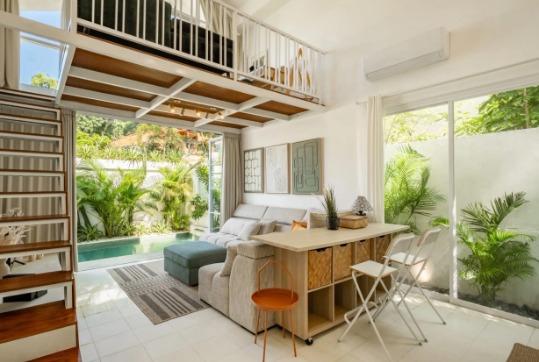
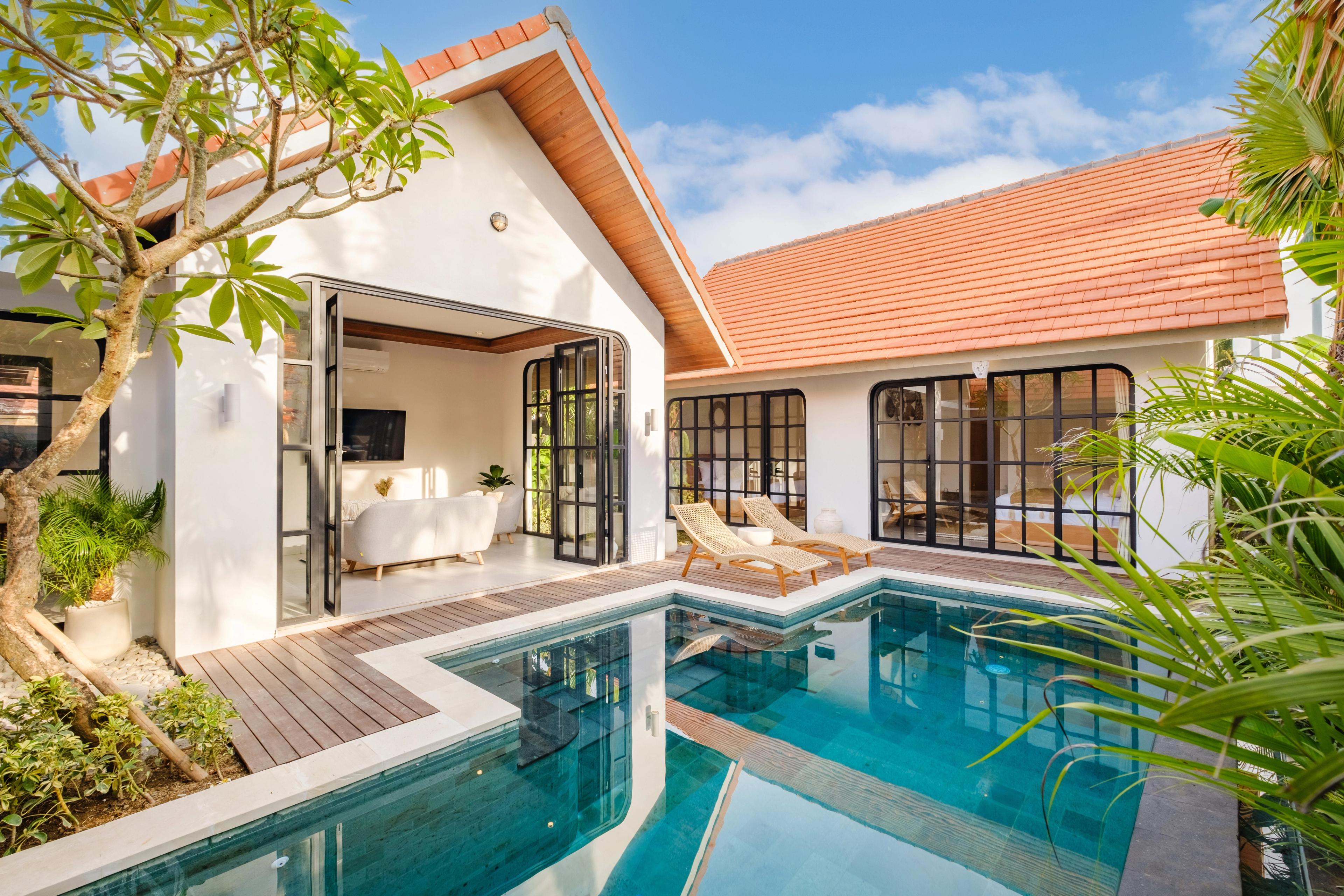
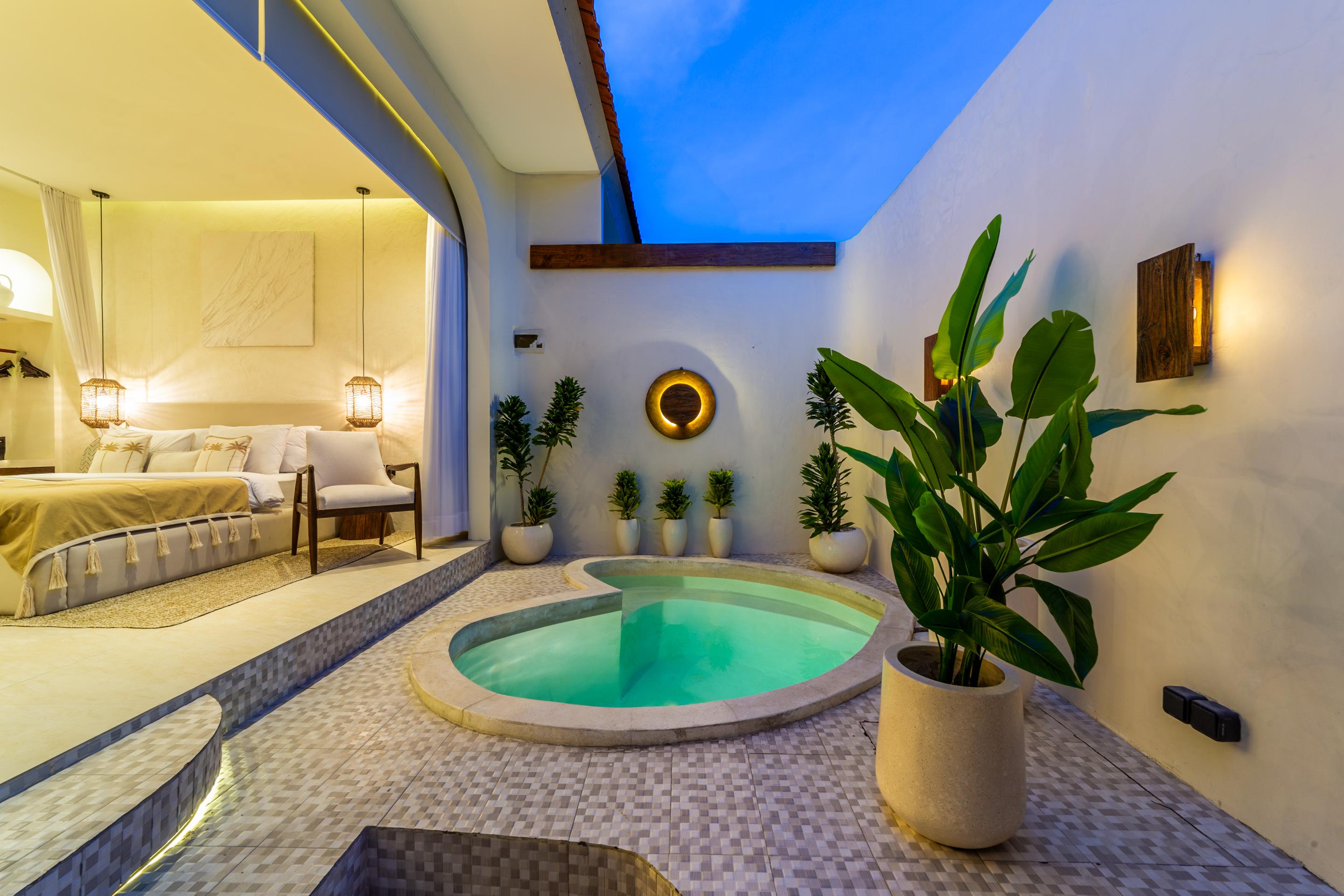
Quiet luxury in Bali means privacy, space and service that doesn't announce itself — a private pool rather than a shared one, breakfast cooked in your own kitchen rather than served in a buffet hall, and a property where you are not sharing the view with two hundred other guests. It is defined by what is absent as much as by what is provided.
In practice, it tends to look like:
- A private pool surrounded by tropical greenery
- Breakfast prepared and served at your villa
- A property where nobody else is around
- Waking to rice-field or jungle views
- A private chef for dinner, arranged the day before
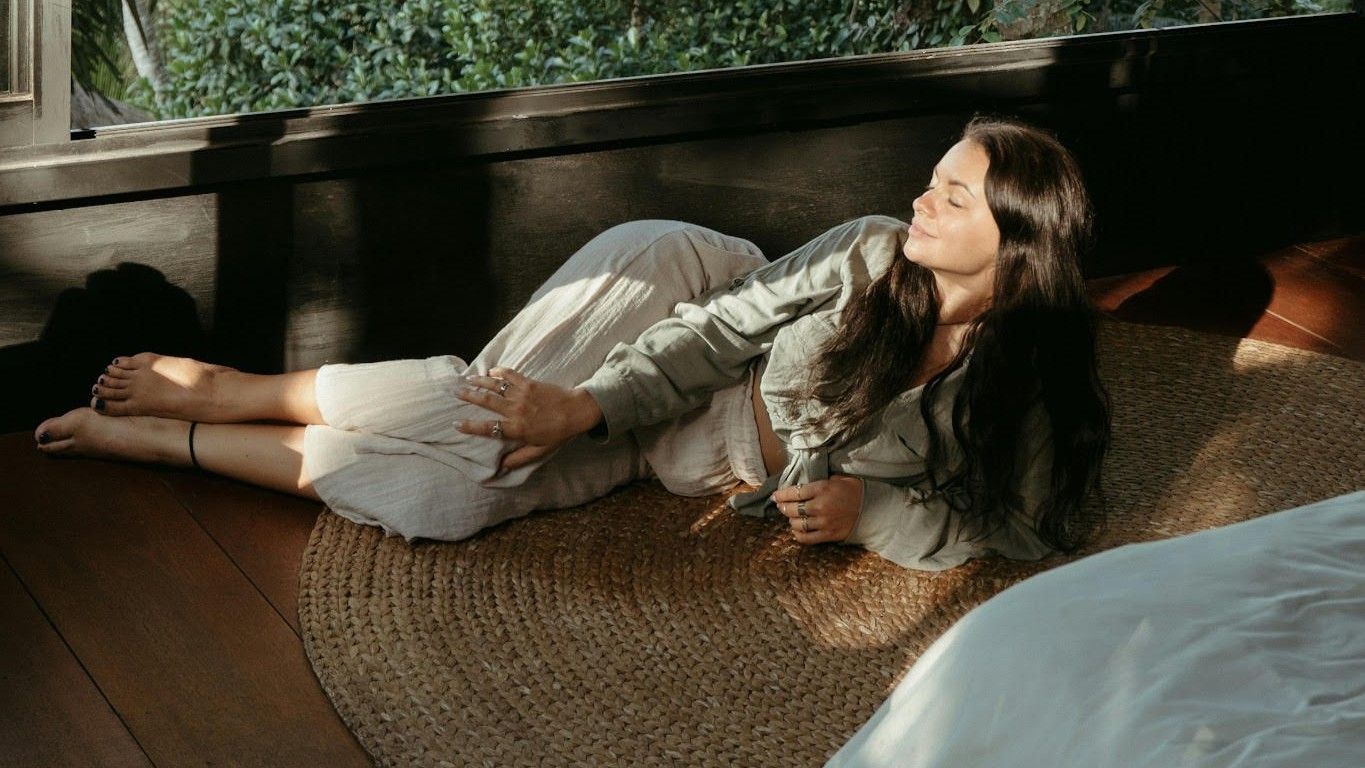
- A day with absolutely nothing planned
- Being close to Balinese culture without being surrounded by crowds
Quiet luxury versus conventional luxury
The distinction matters when you are comparing options at similar price points. A large resort sells amenity — the number of restaurants, the size of the spa, the length of the pool. A well-run private villa sells the opposite: fewer amenities, all of them yours. For a couple on a ten-night stay, the second usually produces the better trip. For a family of eight who want a kids' club and three dining options on site, the first may still win.
It's luxury that doesn't need to announce itself. And that is exactly where private villas have the advantage.
The rise of hidden Bali
The 2026 Bali itinerary doesn't have to start with Seminyak, Canggu or Ubud. Travellers are increasingly searching out the quieter corners of the island — Sidemen, Amed, Munduk, North Bali, Pererenan and the lesser-known stretches of coast.
These places offer something the busiest tourist zones can't always provide: space. Rice terraces without a queue for the viewpoint. Jungle mornings. Local warungs where the menu is a conversation. Black-sand beaches, waterfalls, and long lunches where nobody is checking the time.
Your accommodation is becoming part of the destination
A villa is no longer just somewhere to sleep. On a longer stay it becomes the morning coffee spot, the office, the restaurant, the swimming pool, the yoga space, the sunset lounge and the base for everything else.
This is the practical reason the villa format suits the way people now travel. If your trip involves three organised excursions and eleven unstructured days, the quality of the place you spend those eleven days in stops being a detail and starts being the trip itself. A room you leave at nine and return to at ten is a room. A property with a garden, a kitchen, shade at the right hours and a pool nobody else uses is a destination.
It is also why villa selection has become more specific. Guests ask about desk space and connectivity for remote working, about whether the kitchen team can cook Balinese as well as Western, and about how far the walk is to somewhere they can eat without driving.
How to plan a slow travel Bali itinerary for 2026
Start by cutting the number of bases, not the number of nights. A useful structure for ten to fourteen nights is two bases: one coastal, one inland — for example five to seven nights in Canggu or Seminyak, then five to seven in Ubud, Sidemen or Munduk. That gives each area enough time to stop feeling like a stop.
Then leave gaps. Book the two or three things that genuinely require booking — a specific restaurant, a diving day, a temple ceremony you have been told about — and leave the rest open. The best days in Bali are rarely the scheduled ones.
Finally, choose the villa before the activities. On a slow trip the property sets the tone for the whole stay, and the good ones in the quieter areas are a much smaller pool than in Seminyak.
Doing slightly less, and doing it better
The best Bali holiday in 2026 may be the one where you do slightly less. Stay longer. Explore deeper. Choose a villa that feels like part of the journey rather than a place to change clothes between excursions.
Because the new definition of luxury may not be seeing everything. It's having enough time to actually enjoy where you are.
Looking for a Bali villa that fits the way you want to travel? Explore OriVista's curated villa collection across Seminyak, Canggu, Ubud, Uluwatu and Nusa Dua, and speak to our concierge team about availability for your dates.