Introduction
The real and genuinely beautiful version of Bali that fills the Instagram grid includes the rice terraces at Tegallalang, the gates at Pura Lempuyang, and the sunset at Tanah Lot. It is also genuinely crowded, increasingly curated for the camera, and surrounded by enough tourist infrastructure that the encounter feels mediated rather than direct. If you have been to Bali two or three times, you already know this. The question is what comes next.
What comes next is the Bali that the island keeps slightly out of reach — not hidden exactly, but requiring a different kind of attention than a day-trip itinerary provides. A private driver rather than a group tour, the time to take the turning that doesn't appear on the app, and a villa base that removes the scheduling pressure of a resort checkout time. The hidden gems in Bali 2026 are available to anyone with the right approach. This guide is that approach.
HIDDEN BEACHES
Hidden Beaches in Bali That Haven't Been Photographed to Death
Ready to experience Bali?
52 luxury villas. Best rate guaranteed. Free beach club access when you book direct.
BOOK →Bali's coastline extends well beyond the well-worn surf beaches and postcard coves. The hidden beaches in Bali that retain their character in 2026 share a common feature: they require some effort to reach, whether by a cliff path, a local boat, or a 45-minute drive from anywhere with a tourist infrastructure. That friction is the filter.
Nyang Nyang Beach, Bukit Peninsula:
A 2 km stretch of white sand at the base of the Bukit cliff — and getting there requires a descent of roughly 500 steps down a rocky path from the plateau above. Most visitors to the Bukit never make the effort. Those who do find a beach that can hold perhaps fifty people spread across its entire length, where the Indian Ocean arrives unimpeded, the surf is serious, and the only structure is a small warung at the far end. The light at low tide in the late afternoon, when the wet sand reflects the sky, is extraordinary. Go on a weekday, start the descent by 4 PM.
Bias Tugal (Secret Beach), Padangbai:
East of Denpasar, past the Padangbai ferry terminal, a fifteen-minute walk along a coastal path from the village brings you to a small cove of white sand and turquoise water that most visitors to East Bali never encounter. The water is calm — sheltered from the open ocean swell — and the coral reef close to shore makes it one of the best natural snorkelling spots on the island without any of the boat trip infrastructure that surrounds Nusa Penida. The warung at the top of the path sells cold drinks and simple food. Arrive before 10 AM.
Pasir Putih (Virgin Beach), East Bali:
Past Candidasa in East Bali, a short ride on a local ojek through a coconut plantation reaches Pasir Putih — a genuinely white-sand beach with calm water and local jukung (outrigger) fishing boats moored at the shoreline. The surrounding hills give it a sheltered, almost private feel at midweek. Three small warungs operate at different points on the beach; the fishing families who own them will take you out on a jukung for an hour for a modest fee. It is the most specifically Balinese beach experience on the island — no international beach clubs, no hawkers, no queue.
Insider note: all three of these beaches are best visited on weekdays, before 10 AM or after 3 PM, and during the shoulder months (April–May, September–October) when domestic tourist traffic is lower. Your OriVista driver knows the access routes and parking points that make these visits frictionless rather than logistically adventurous.
LESSER-KNOWN TEMPLES
Lesser-Known Temples in Bali: Sacred Sites Without the Selfie Queue
Bali's twenty thousand temples range from the vast state complexes that draw thousands of visitors daily to family shrines at the edge of rice fields that no one but the household visits. The lesser-known temples in Bali worth seeking out are not undiscovered — they are simply not on the standard day-trip circuit, which is a different and better thing.
Pura Gunung Kawi Sebatu, near Tampaksiring:
Not to be confused with the more-visited Gunung Kawi rock-carved sanctuary nearby, this water temple north of Ubud is set in a garden of spring-fed pools fed by natural springs considered holy to the god Vishnu. The grounds are meticulously maintained, the water is clear and shallow enough to see the carved stone beneath, and on most mornings, you will have it almost entirely to yourself. Balinese women in ceremonial dress occasionally arrive to make offerings at the main shrine. The contrast with the experience of visiting Tirta Empul — the more famous purification spring temple 10 minutes away — is significant and instructive.
Pura Beji Sangsit, North Bali:
The north of Bali developed a distinct temple carving tradition from the south — more exuberant, more extravagant, carved from a pinkish coral stone that weathers differently in the northern light. Pura Beji Sangsit, near Singaraja, is the finest example of this northern style and one of the most beautifully carved temple complexes on the island. Almost no tourists visit. The caretaker will walk you through the compound if you arrive with appropriate dress and a respectful manner. The drive from south Bali takes two to three hours — this is a full-day excursion worth building a night in Lovina or Amed around.
Pura Kehen, Bangli:
The state temple of the former Bangli kingdom, set into a hillside in central Bali and rising through a series of terraced courtyards to the eleven-tiered meru tower at the summit. The Chinese porcelain decorations embedded into the outer walls are distinctive and genuinely unusual, absorbed into the temple's fabric from trade-era donations. Most Ubud-focused itineraries pass within 20 minutes of Bangli without stopping. Pura Kehen is the most compelling reason to turn off the main road — and it receives a fraction of the traffic of Besakih while offering an experience of comparable sacred depth.
The temples that have not been photographed to saturation are almost always the ones where the encounter is still an encounter — unscripted, unmediated, genuinely surprising.
HIDDEN WATERFALLS
Bali Hidden Waterfalls That Locals Know and the Tours Don't Reach
Bali's interior mountains and river valleys have dozens of waterfalls. The ones that have entered the tourist infrastructure — Tegenungan, Tibumana, Kanto Lampo — are lovely but typically share their pools with a hundred other visitors and charge entry fees that increase annually as their Tripadvisor rankings rise. The Bali hidden waterfalls that locals know tend to require longer walks, unmarked paths, or the simple step of asking the right person in a nearby village where the water is.
Fiji Waterfall (Air Terjun Fiji), near Singaraja:
In the hills above Sambangan village in North Bali, a series of six waterfalls follows a river upstream through jungle, of which Fiji is the most spectacular, dropping into a natural pool deep enough to swim in with clear, cold mountain water. The trek from the village takes 30–45 minutes each way through forest that becomes increasingly dense and quiet. A local guide from the village is essential and costs a modest fee; without one, the path to the upper falls is difficult to follow. Very few foreigners visit — the waterfall is genuinely the domain of Balinese families on weekend outings.
Yeh Mampeh Waterfall, North Bali:
Near the village of Les in North Bali, this single-drop waterfall falls approximately 30 metres into a clear pool at the base of a cliff face draped in ferns and moss. The walk from the road takes 20 minutes through terraced fields and fruit orchards. At the base, the mist from the falling water cools the air by several degrees, in a way that surprises you completely after the drive from the south. Almost no tour infrastructure has reached Les; the village is primarily known for its coral reef, which makes the combination of reef snorkelling in the morning and this waterfall in the afternoon an unusually complete day in one of Bali's least-visited corners.
Tukad Cepung Waterfall, Bangli:
This one requires a disclosure: Tukad Cepung has become increasingly known since 2022, and now sees meaningful visitor numbers on weekends. The reason it remains on this list is the timing trick that the standard visitor rarely exploits: the waterfall is set inside a canyon, and the morning light — between 9 and 11 AM — hits the water at an angle that splits it into columns of backlit mist that exist nowhere else in Bali. Arrive at opening time on a weekday, and you will have thirty minutes of that light with perhaps four other people. Arrive at noon on a Saturday, and the experience is entirely different.
Insider note: reaching any of these waterfalls properly — beyond the ones with paved paths and ticket counters — benefits from a driver who can navigate to the right village access point and who knows which local guide to recommend at each location. These are exactly the arrangements your OriVista concierge makes in advance of a longer day-trip excursion.
UNDISCOVERED VILLAGES
Secret Places in Bali Tourists Don't Know: The Villages Worth the Detour
Bali's cultural depth is not concentrated in the tourist infrastructure — it lives in its villages, in the spatial logic of how Balinese communities organise themselves around temple, rice field, and household shrine. The underrated places to visit in Bali that reward the visitor who takes the time to explore are almost always the ones that were never designed for visitors at all.
Penglipuran Village, Bangli:
One of Bali's Bali Aga indigenous villages, Penglipuran has maintained its original grid architecture and village laws for centuries and is consistently listed among the cleanest villages in the world. It appears on some itineraries, but most visitors stay for twenty minutes and leave. Stay for two hours: walk the full length of the main ceremonial street, look through the open family compound gates, ask the community guide who will join you what the rules of the village actually are. The bamboo forest at the northern end of the village is entirely unvisited and extraordinary.
Tenganan Pegringsingan, East Bali:
The most significant of Bali's Bali Aga villages — walled, architecturally planned on a strict grid, with its own distinct legal codes and the unique geringsing double-ikat weaving tradition found only in three places on earth. The village receives fewer than a hundred visitors on most days and is completely off the radar of the standard Ubud-Canggu itinerary. Drive to Amed on the east coast, then 20 minutes south. The women who weave geringsing in their compounds will show you the cloth in process if you ask respectfully; the single piece can take years to complete.
Sidemen Valley, East Bali:
The Sidemen Valley south of Mount Agung is what Ubud felt like twenty years ago: rice terraces that descend uninterrupted for kilometres, rivers loud enough to hear from the road, and a pace of village life that ignores the tourist economy almost entirely. Sidemen has a handful of small guesthouses and almost no international restaurant infrastructure — which means the local warungs serve actual Balinese food rather than the tourist interpretation of it. A half-day from Amed or a full day-trip from Ubud, this is the valley for the visitor who specifically wants to see rice agriculture in its working form.
Pupuan, Tabanan:
In the western regency of Tabanan, the coffee-growing highlands around Pupuan remain entirely outside the tourist circuit. The road from Antosari climbs through terraced fields and then through forest that opens occasionally onto views of the coast far below. Pupuan itself is a market town — not a tourist town — where the weekly pasar produces a gathering of local farmers, craftspeople, and food vendors that has nothing to perform for the visitor and everything to observe for the curious one. Drive through without stopping and you miss it entirely. Stop for an hour and it is one of Bali's most genuinely local experiences.
LOCAL DINING
The Local Tables That Don't Appear on the Tourism Map
The best food in Bali is not at the international-grade restaurants of Seminyak and Ubud, which are genuinely excellent at what they do, but are making a version of Balinese food that has been translated for international palates. The best food is at the warungs that serve the people who make Bali what it is, on the days when the ceremonies require cooking that is serious.
Ibu Oka, Ubud
The most famous suckling pig (babi guling) in Bali, and still the best version of the dish on the island despite its fame. The reason it appears in this section: arrive at 11 AM, not noon. By noon it has adapted to a tourist-restaurant format; at 11 AM it is a Balinese lunch queue with extraordinary food.
Warung Mak Beng, Sanur
Fried fish and a bowl of kuah pindang (spiced broth) that has been served in the same form since 1941. One sitting, one menu, no English description needed. Queue starts at 11 AM. By 2 PM it's over. The experience is as close as Bali gets to a living culinary institution.
Pasar Badung, Denpasar
The main Denpasar market is not a tourist market — it is where Balinese families buy their cooking ingredients, ceremonial materials, and street food. The upstairs section is a working canteen for market vendors. Nasi bali served from 7 AM; the market itself most alive between 6 and 9 AM.
Gianyar Night Market
The Gianyar babi guling stalls open in the evening and serve the same dish (prepared differently from the Ubud daytime version) alongside sate lilit and rujak to a crowd that is overwhelmingly Balinese. It runs Thursday to Saturday evenings in the main town square. The experience of eating in a crowded Balinese night market without a tourist menu in sight is precisely what the culinary standard should be compared against.
Nasi Ayam Kedewatan, Ubud
A hillside warung above Kedewatan that serves nasi ayam (chicken with Balinese spicing over rice) from a recipe unchanged for decades. The view across the Ayung River gorge from the bamboo tables is one of Bali's most beautiful lunch settings. Almost entirely unknown to foreign visitors despite being fifteen minutes from central Ubud.
The most honest Balinese food experiences share one feature: the cook has no interest in whether you photograph the dish. They are feeding someone hungry, using ingredients they know well, in a way they have practised their whole life.
Why These Places Require a Different Kind of Access Than a Standard Bali Trip
The hidden gems in Bali 2026 that genuinely reward the visit share a structural requirement: time and an unhurried base. Nyang Nyang Beach is 500 steps down a cliff — a resort with a fixed checkout time and a shuttle to the next attraction does not support that kind of afternoon. Pura Beji Sangsit in North Bali requires a full-day commitment that a standard Ubud itinerary cannot accommodate. The Gianyar night market is 40 minutes from Seminyak at 7 PM, which means getting back after 10 PM — manageable from a villa you can walk into at any hour, less so from a resort with an 11 PM lobby close.
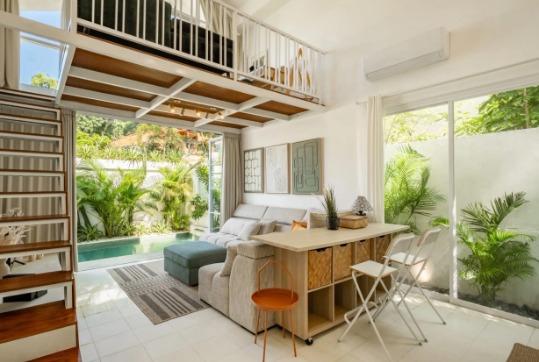
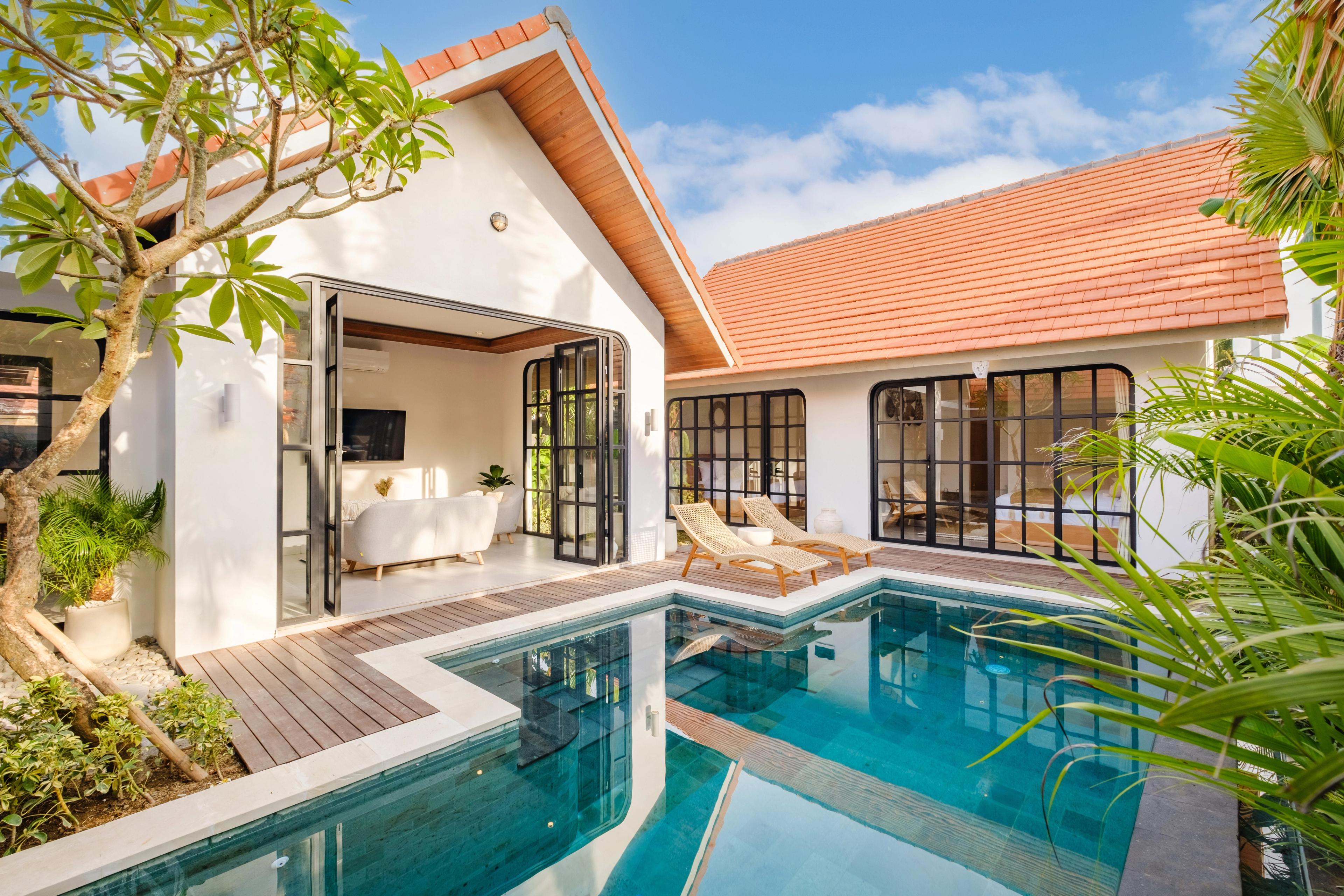
A private villa is the specific accommodation format that makes this kind of exploration possible — and OriVista's villas across Seminyak, Canggu, Uluwatu, and Ubud are each positioned to give you a different radius of access into the island's interior and coastline. The concierge service available to direct booking guests adds the local knowledge layer: the driver who knows which road to take, the guide at Sambangan who needs to be called ahead, and the right day of the week for Gianyar market.
Conclusion : The Bali That Rewards Patience
Every place on this list exists in full view — on a map, in a village, at the end of a path that anyone could walk. What most visitors lack is not permission but time and attention, a base that removes the pressure to extract maximum value from every hour, and the local knowledge of which turning leads somewhere real rather than somewhere prepared for the arrival.
OriVista manages private pool villas across Bali's most desirable areas, with a concierge team that has been embedded in the island long enough to know the distinction between the Bali you can find and the Bali worth finding. If your next Bali trip is built around seeing something genuinely new rather than revisiting what you already know, we would be glad to help you plan it from the right base. Explore OriVista villas and enquire about availability.