
Introduction
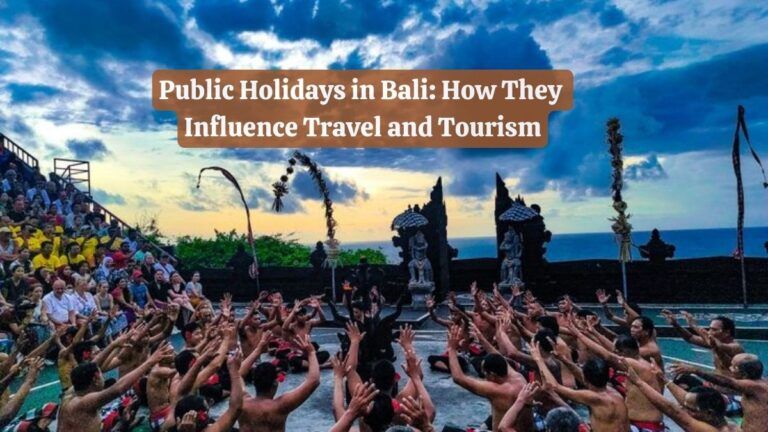
Are you going to Bali? It’s important to know the island’s public holiday schedule so you can make the most of your vacation. Bali’s unique mix of Indonesian national holidays and traditional Balinese celebrations makes the island a lively place to visit all year long. This affects everything from flight prices to villa availability to the overall mood of the island.
Getting to Know Bali’s Holiday System
Bali has two holiday systems that run at the same time: Indonesian national public holidays and traditional Balinese ceremonies based on the Pawukon (210-day) and Saka (lunar) calendars. Because of this dual system, some dates stay the same every year, while others change based on the moon’s cycles. This means that travellers need to plan ahead.
Holidays in Indonesia
Indonesia has about 16 national public holidays each year. These include New Year’s Day, Independence Day (August 17), and a number of religious holidays that are important to the country’s diverse population. During these holidays, domestic tourism goes up a lot as Indonesian families go to Bali, which has a big effect on the prices and availability of places to stay.
The Balinese Cultural Calendar
There are many temple ceremonies and cultural celebrations that happen on the Balinese Hindu calendar that have a big impact on daily life on the island. These can be temple anniversaries (odalan) that are only for one village or island-wide events that can stop tourism in its tracks.
Important Holidays and How They Affect Tourism
Day of Silence, or Nyepi, is in March or April.
The Ultimate Travel Puzzle
When going to Bali, the most important thing to think about is Nyepi, the Balinese New Year. For 24 hours, the whole island is quiet, dark, and still. The airport closes, no cars can drive, beaches are off-limits, and hotels require guests to stay on their property without lights or entertainment after 6 PM.
Tourism Impact:
- Before Nyepi: The Ogoh-Ogoh parade the evening before draws massive crowds, with elaborate demon effigies paraded through streets across the island
- During Nyepi: Guests must remain in their accommodations for 24 hours with minimal activity
- After Nyepi: Many travellers depart, creating excellent opportunities for those who stay
- Booking Considerations: Villa rates often increase for the Nyepi period, and many properties require minimum stays spanning the holiday
Traveler Tip: If you’re okay with a day of forced relaxation, Nyepi is a great way to learn about Balinese culture and enjoy a surprisingly peaceful day in your villa.
Galungan and Kuningan
The Homecoming Celebration
The Pawukon calendar says that Galungan happens every 210 days. It celebrates the victory of dharma (good) over adharma (evil). Kuningan marks the end of the celebration 10 days later. During this time, Balinese families go back to their ancestral homes, and villages come alive with elaborate bamboo penjor that decorate every street.
Effects of tourism:
- Making the atmosphere better: Traditional decorations make the island look great.
- Service Considerations: A lot of local staff asks for time off, which could affect the services at the villa and the restaurant.
- Traffic Congestion: More Balinese families moving around makes traffic very bad, especially in Denpasar and between villages.
- Cultural Accessibility: Temple ceremonies happen more often and are more beautiful to look at.
Tip for Travelers : If you want to experience the culture of Bali, this is a great time to go. Just make sure to book your transportation early and be ready for some delays.
Day of Independence for Indonesia (August 17)
The Peak of Domestic Tourism
August 17 is Indonesia’s Independence Day, which starts a week-long surge in domestic tourism as Indonesian families go on vacation during the school holidays.
Effects on Tourism:
- Prices: During this time, the cost of lodging goes up by 30 to 50%.
- Availability: Beach clubs, restaurants, and attractions are full to capacity
- Crowds: Beaches like Seminyak and tourist spots like Tanah Lot get very busy.
- Advance Booking Essential: Premium villas book out months in advance
Travel Tip: If you want to be alone, think about going to places like Amed or Sidemen instead during this time, or plan your trip for late August when domestic tourists go home.
Eid al-Fitr and Ramadan
The Cultural Crossroads
Bali is mostly Hindu, but Indonesia is mostly Muslim, so Ramadan and Eid al-Fitr are important events that affect the island’s tourism.
Effect on tourism:
- Availability of Services: During Ramadan, some businesses and restaurants run by Muslim Indonesians may have shorter hours.
- Eid Travel Surge: A lot of people travel within the country around Eid al-Fitr, with people from Jakarta going to Bali.
- Long-Term Effects: The Eid holiday can last a week or more, which keeps demand high.
- Price Increases: Prices for villas and flights go up a lot during Eid.
Travel Tip: Ramadan doesn’t have a big effect on Bali, but the week around Eid al-Fitr does, so you should book ahead and plan your budget.
The Holidays Of Christmas and New Year
The International Peak Season
The December-January holiday season is Bali’s busiest time of year. Tourists from all over the world come to Bali during this time, along with Australians on summer vacation and travelers celebrating the Asian New Year.
Effect on Tourism:
- Maximum Pricing: The price of a villa can be three or four times what it normally costs.
- Minimum Stays: Most places need you to book for at least 7 to 14 days.
- Booking Timeline: You need to book premium villas 6 to 12 months in advance.
- Beach Club Capacity: Places like Potato Head and Finns Beach Club, which are very popular, charge cover fees and require reservations ahead of time.
- New Year’s Eve: Beach parties draw tens of thousands of people, making for an unmatched atmosphere but also huge crowds.
Travel Tip: If you have to go during this time, book by June and be ready to pay more. For better value, think about staying in quieter places like Ubud or Sanur.
Chinese New Year
The Wave of Asian Tourists
Chinese New Year, which falls in late January or early February, brings a lot of visitors from China, Singapore, Hong Kong, and other Asian countries with large Chinese populations.
Effect on Tourism:
- Length: The effects last for 2 to 3 weeks because different areas have different holiday lengths.
- Rate Increases: Prices go up by 20% to 40% on average.
- Cultural Atmosphere: Restaurants and attractions that are Chinese-themed hold special events
- Availability Pressure: Not as bad as Christmas, but you still need to book ahead of time.
Tip for Travelers: This time of year is a good middle ground. The atmosphere is festive, but prices aren’t as high as they are at Christmas. However, popular villas still fill up quickly.
Secondary Holidays Worth Noting
Day of Saraswati
Saraswati Day honours the goddess of knowledge and affects villa operations because Balinese staff members have to do ceremonial duties. Services may run on shorter schedules, and you’ll see beautiful offerings at temples all over the island.
Full Moon and New Moon Ceremonies
These ceremonies happen once a month and can cause traffic jams around major temples and make it harder for villa staff to be available. But they also give you great chances to see real religious practices.
Landep Tumpek
Blessing metal objects and weapons makes for beautiful ceremonies at temples, but it doesn’t have much of an effect on tourism, other than possibly making services take longer.
Planning for Different Types of Travelers
Travelers on a Budget
Stay away from:
- The holidays from December 20 to January 7
- Week of Indonesian Independence (August 14–21)
- Week of Eid al-Fitr
Goal:
- January 8 to February 1 (after New Year’s and before Chinese New Year)
- April to June (after Easter and before the winter holidays)
- From September to early November
People Who Love Culture
Prioritize:
- Galungan and Kuningan times (every 210 days)
- Full moon at big temples like Tanah Lot, Uluwatu, and Besakih
- The Ogoh-Ogoh parade happens in March or April before Nyepi.
Consider
- Nyepi for the one-of-a-kind experience (if you can handle the rules)
- Temple odalan celebrations (look at the calendars for each temple)
People Who Want Peace
Avoid:
- All of Indonesia’s most important public holidays
- School breaks (late June to July and December to January)
Target:
- Right after Nyepi
- The end of January, between Chinese New Year and Valentine’s Day
- September to October (the shoulder season)
Guests of the Luxury Villa
Best Booking:
- Book 6 to 12 months ahead for Christmas and New Year
- For Eid al-Fitr and Chinese New Year, it takes 3 to 6 months.
- 2 to 3 months for other times
Windows For a Premium Experience:
- Late January to early February (after the crowds, when the weather is perfect)
- April to May (the green season is beautiful, and there are fewer tourists)
- September (perfect weather, not too many people)
Things to think about when renting a villa
Availability of Staff
During Balinese holidays, there are usually fewer staff members because team members go back to their villages for ceremonies. High-end villa management companies like OriVista plan for these needs by keeping backup staff lists to make sure service is always available. But travellers should be open to changing their plans for special requests during big cultural events.
Timing of Service
During Galungan, Kuningan, and other important ceremonies, you might have to wait longer for outside services:
- Deliveries to restaurants may take longer
- You might need to give more notice when booking transportation.
- Spa therapists and wellness professionals may not always be available
- Stores and markets may be open for fewer hours
Changes in Prices
Knowing how Bali’s tiered pricing works can help you set realistic goals:
High Season (July to August and December to January): 200 to 400 per cent of low season rates
During High Season (February-March, June, September-October) Prices are 150–200% higher than during low season.
Shoulder Season (April-May and November): 100–150% of low season rates
Low Season (January 8-February, October-November): Base rates
Minimum Stay Rules
Minimum stay policies are often in place during holidays:
- Nyepi: Usually at least 3–5 nights
- Christmas and New Year’s: At least 7–14 nights (usually both holidays must be included)
- Eid al-Fitr: At least 5 to 7 nights
- Peak Weekends: 3 nights is the minimum for most high-end properties
Effects On Transportation And Infrastructure
Airport Operations
Around holidays, Ngurah Rai International Airport sees huge changes in the number of people flying in and out:
- Nyepi: The airport is closed for 24 hours (no flights in or out).
- During Peak Times: Check-in lines can be longer than 2–3 hours.
- Delays at Immigration: Give yourself extra time when there are a lot of people.
Pro Tip: For a reliable pickup during busy times, book airport transfers through the company that manages your villa. Road Conditions
Traffic in Bali gets a lot worse during:
- Galungan/Kuningan: Families travel between villages
- Holidays in Indonesia: tourists from other parts of the country who don’t know Bali’s roads
- Nyepi Eve: Ogoh-Ogoh parade routes create complete road closures
Availability of Service
All services stop during Nyepi:
- No delivery, restaurants, or cafes
- No beach clubs or things to see and do for tourists
- No stores, markets, or convenience stores
- Hotel services are limited to the basics
How to Make Holidays Work for You
Before Nyepi Strategy
The day before Nyepi is full of amazing cultural events:
- During the day, watch the building of Ogoh-Ogoh in villages.
- See the parade at night (usually from 6 to 9 PM).
- Get food, drinks, and entertainment for the next 24 hours for your villa.
- Enjoy the forced digital detox and the next day’s relaxation.
Galungan Chances
Instead of avoiding Galungan, welcome it:
- Go on a cultural tour to see villages with beautiful decorations.
- Go to temple ceremonies and dress and act respectfully.
- Enjoy traditional Balinese food at family get-togethers
- Take pictures of the beautiful streets lined with penjor
Other options for peak season
If you plan to travel during busy times:
- For lower prices and fewer people, book North Bali villas (Lovina, Pemuteran)
- Pick East Bali (Amed, Candidasa) for realness over scene
- Think about the outskirts of Ubud (Tegallalang, Payangan) for a cultural experience without a lot of tourists.
Guide to Long-Term Planning
18 Months Away
- Look into moving holidays (dates for Nyepi, Eid al-Fitr, and Chinese New Year)
- Make sure you get your Christmas and New Year’s villa reservations
- Get competitive flight prices for busy times
6 Months Away
- Make plans for big holidays like Eid, Chinese New Year, and Indonesian Independence Day.
- Set up special services (like private chefs and photographers) during busy times
- Make sure that the villa’s services and staff are available during cultural holidays
Three Months Away
- Make sure your Galungan/Kuningan period reservations are set in stone
- Make reservations at popular beach clubs and restaurants for busy weekends.
- Plan visits to temples and cultural events
One Month Out
- Check to see if Nyepi plans are still in place
- Keep the villa stocked with supplies for any time it is closed for service.
- Plan airport transfers during busy times
The Sweet Spot: Benefits of the Shoulder Season
If you’re looking for the best balance, Bali’s shoulder seasons (April-May and September-October) have some great benefits:
Weather: Mostly sunny, with a few short showers now and then.
Prices: 30% to 50% lower than during the peak season.
Availability: It’s easier to book villas, even at high-end ones.
Crowds: Significantly reduced at tourist attractions
Service: All staff members are available, and response times are faster.
Atmosphere: More real interactions with people from the area
Flexibility: More options for booking at the last minute
Being Culturally Sensitive During the Holidays
Following Balinese traditions during holidays makes your experience better:
Celebrating Nyepi
- Stay inside from 6 AM to 6 AM the next day
- Keep lights and noise to a minimum
- Honour the spiritual practice that is done on the island as a whole
- No internet use (if you want to be fully involved)
Ceremonies at the Temple
- Put on the right clothes (a sarong and a sash)
- Don’t go into the inner temple areas unless you’re invited.
- Don’t stand higher than priests during ceremonies
- Keep quiet and respectful during prayers
Common Courtesy
- Be patient if services are slow during ceremonial times
- Know that staff may ask for time off to take care of family matters
- Understand how these holidays add to the richness of culture
- Help local businesses keep their old ways of doing things
Conclusion: Timing Your Bali Experience
Holidays in Bali Make the tourism scene complicated but easy to navigate. Holidays like Nyepi, Christmas, and Eid al-Fitr need careful planning and budgeting, but they also give you the chance to experience things that aren’t available during normal travel times. For villa guests, working with experienced property management companies makes it easy to deal with the effects of the holidays. Knowing Bali’s holiday calendar turns possible problems into chances, whether you want to experience the culture during Galungan, enjoy some peace and quiet during the shoulder season, or celebrate the New Year in style. The key is to match your travel style and priorities with the right times. For example, budget travellers do well in the shoulder seasons, culture lovers should plan their trips around ceremonial times, and those looking for the best luxury will find value in premium villas during times that are just a little off-peak, like late January or September.
In the end, Bali’s unique mix of Indonesian national holidays and Balinese spiritual celebrations makes it a lively place to visit, where the timing of your visit has a big impact on your experience. Every time of year has its own benefits, whether you’re watching Ogoh-Ogoh parades on Nyepi eve, enjoying decorated villages during Galungan, or having a whole beach to yourself in early October.
Are you ready to see Bali at the best time for your travel style? Get in touch with our villa experts to talk about availability, cultural events, and special properties that fit with your travel dates.
Do you have questions about certain holiday dates or villa availability during Bali’s cultural events? At Orivista our team keeps an eye on the Balinese calendar all year long to help you choose the best time for your luxury villa stay.